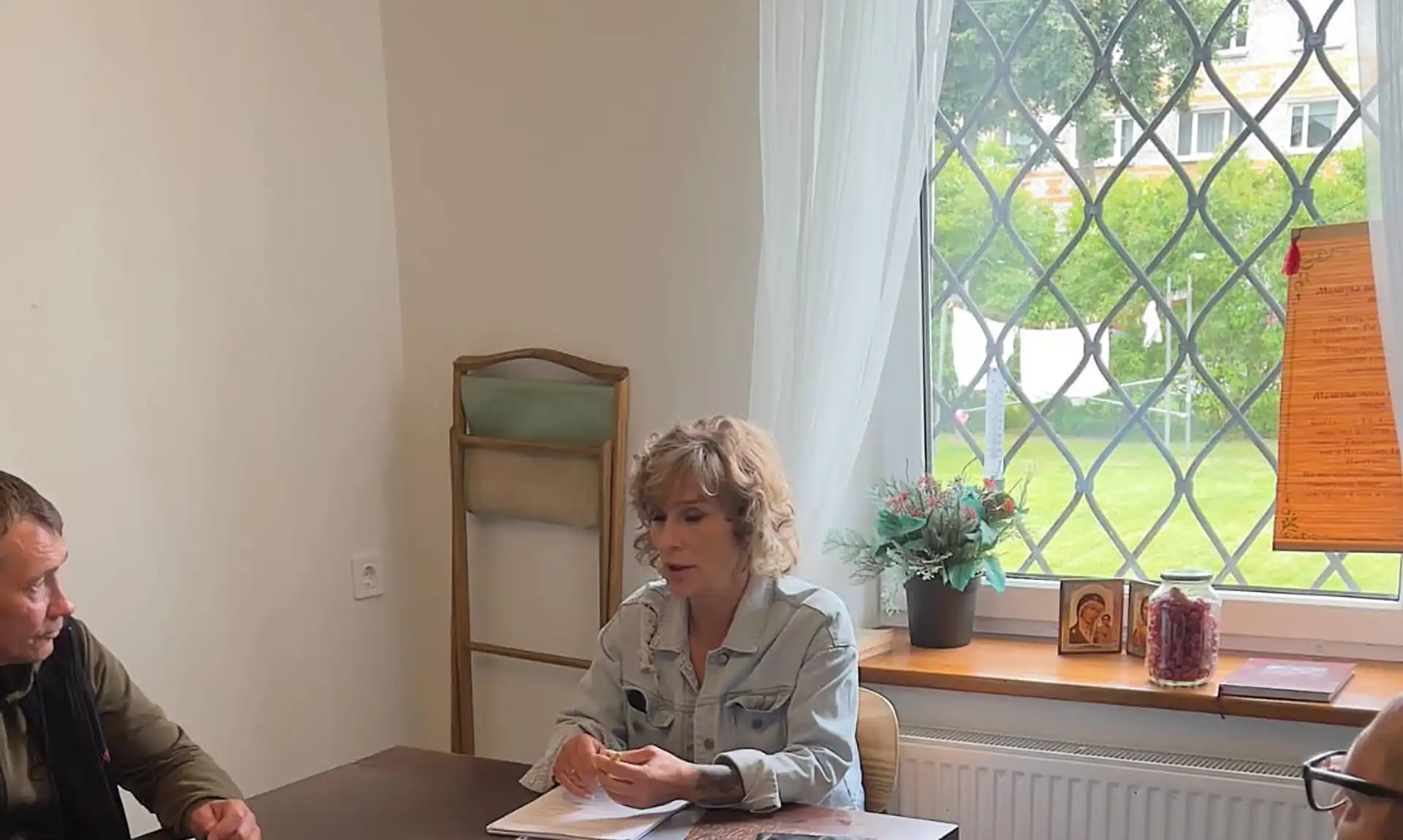
UUSTEE Holds a Training on the Harms of Alcohol
UUSTEE Holds a Training on the Harms of Alcohol
UUSTEE Stories — Programme and Recovery
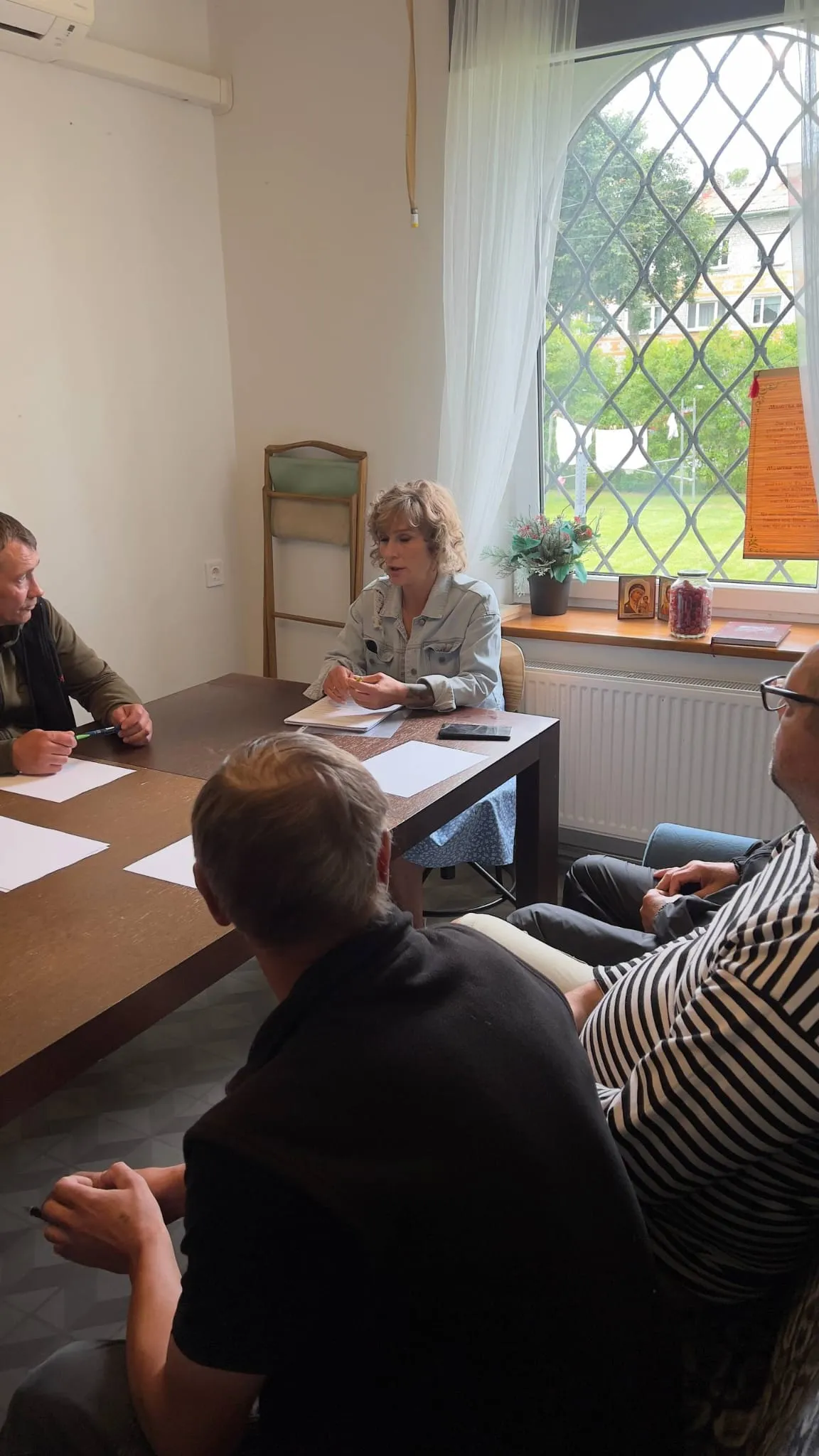
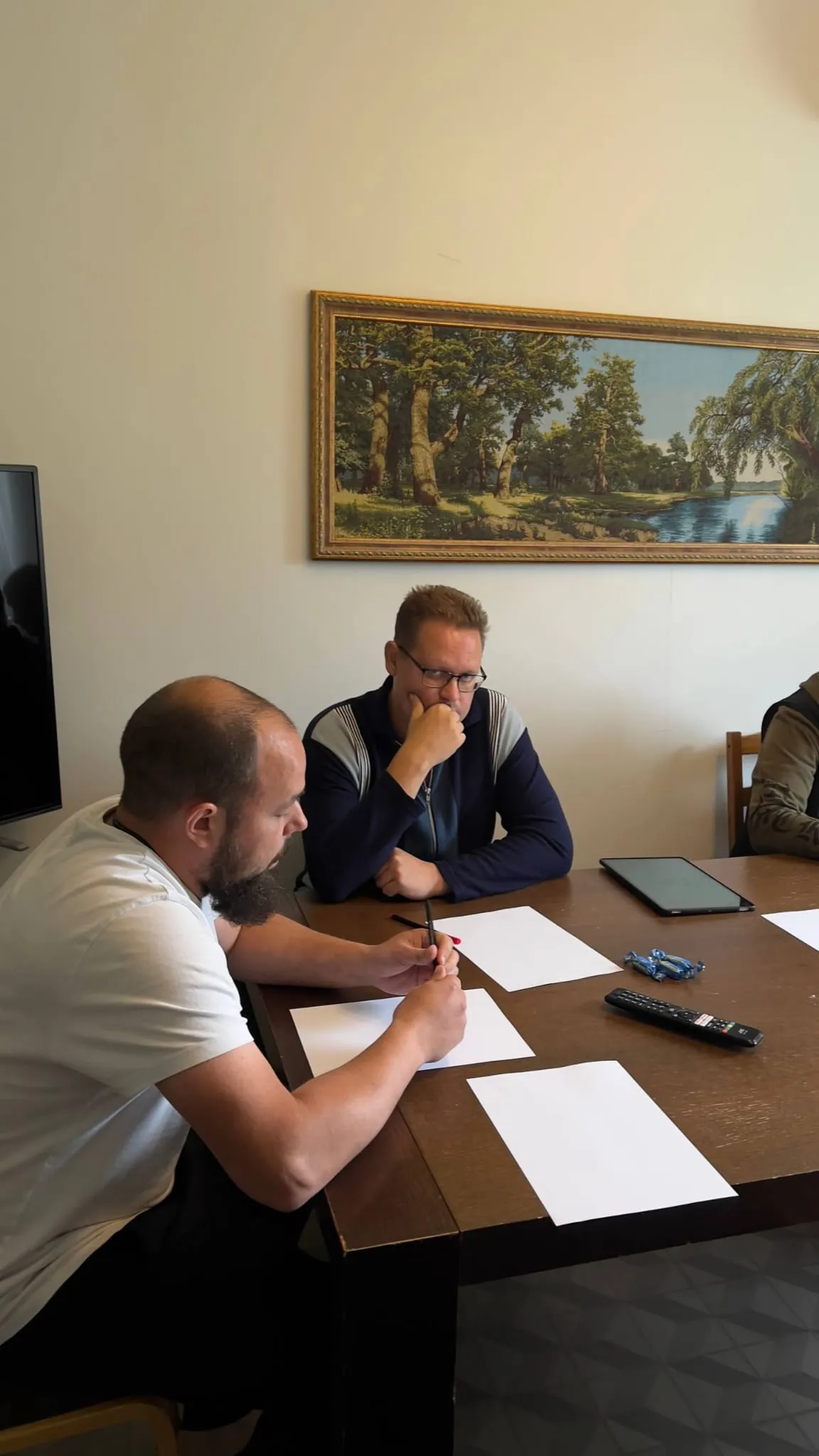
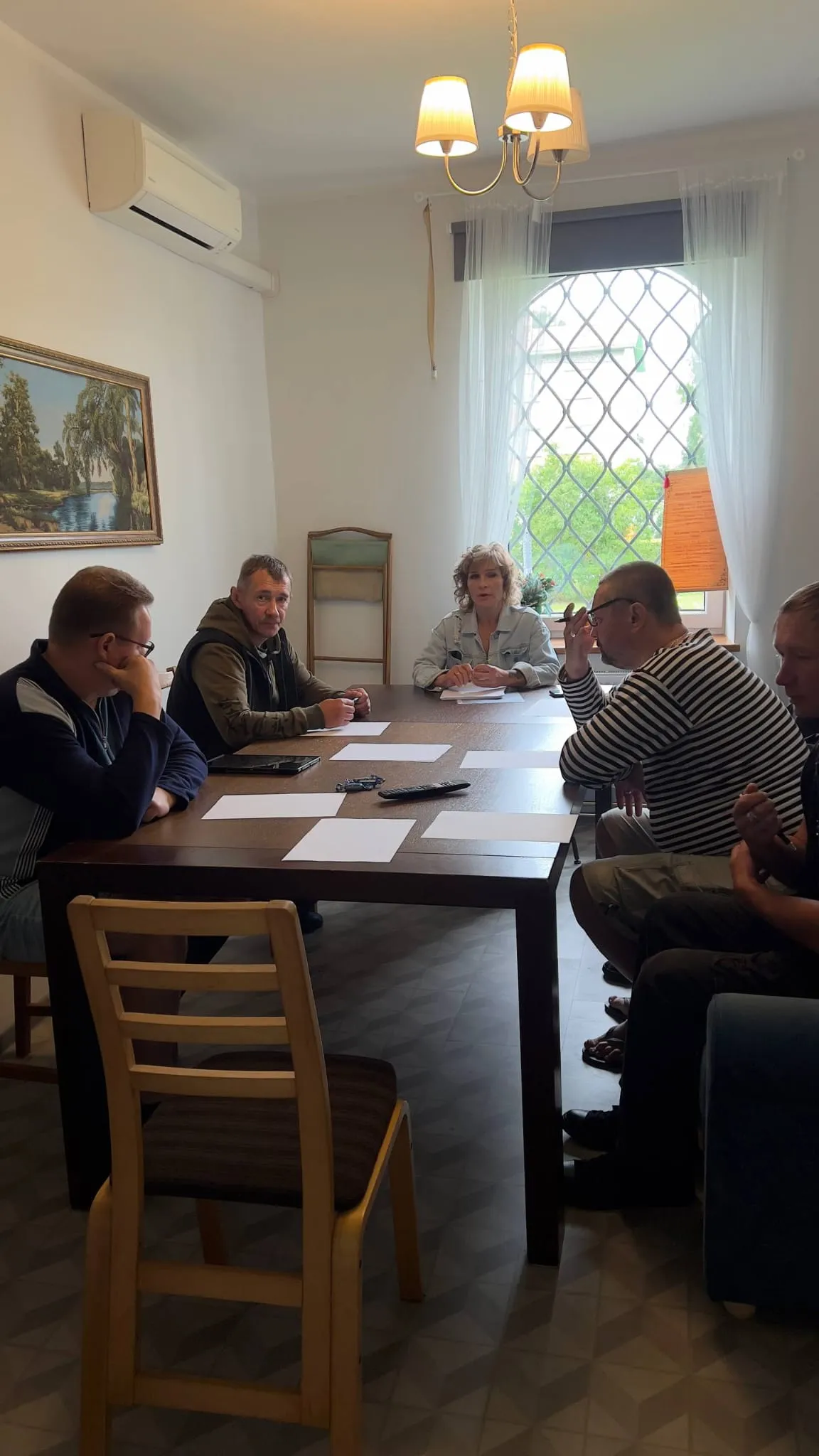
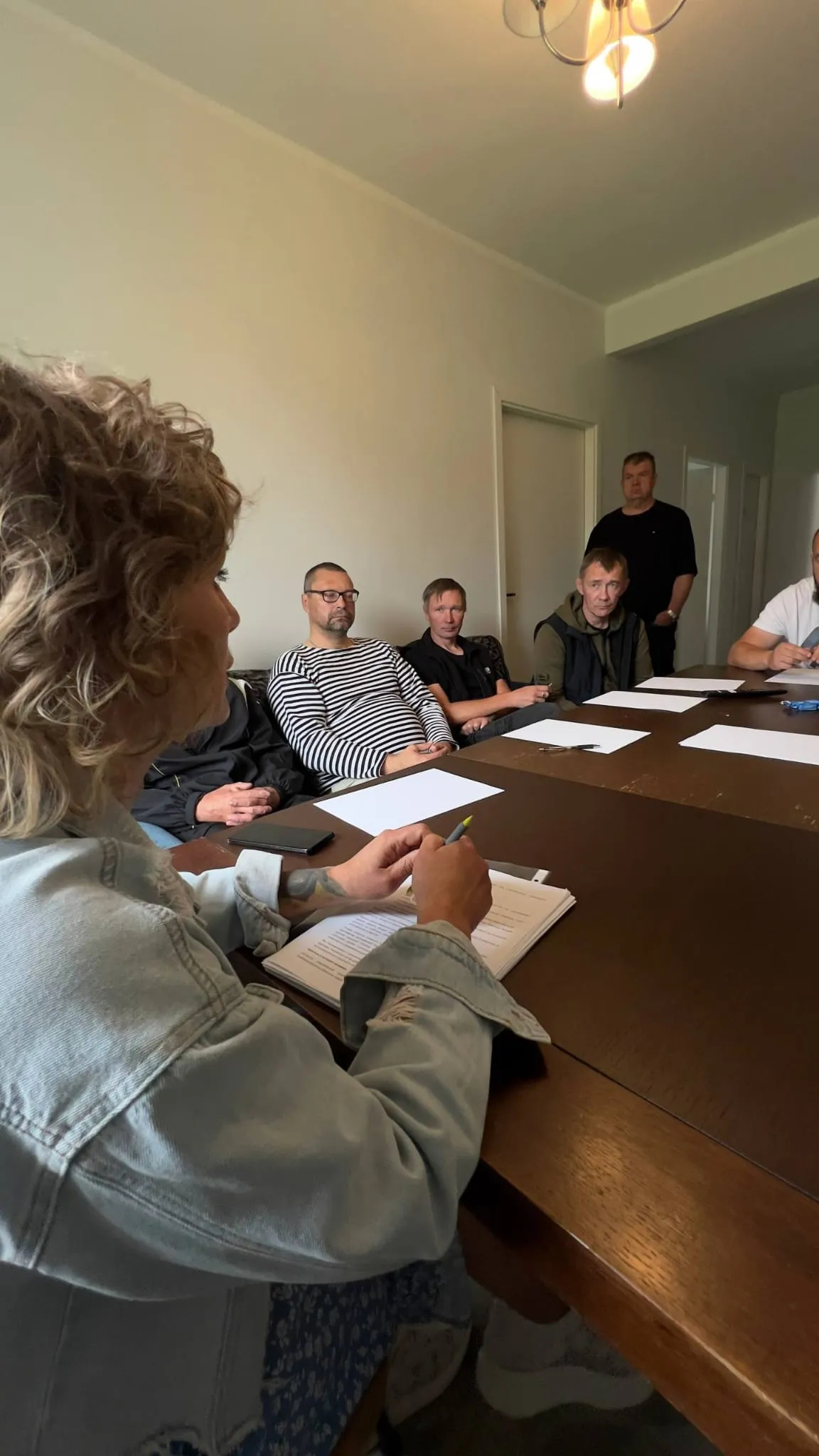
The UUSTEE recovery and rehabilitation centre in Loksa recently held another educational training session, this time focused on the harms of alcohol. Sessions like this have long been an integral part of the centre’s programme: alongside housing, daily routine, and practical work, participants regularly receive knowledge that helps them understand the nature of their own dependency more deeply and move through recovery with greater awareness.
Why This Kind of Training Matters
Recovering from alcohol dependency is not only about stopping consumption — it is also a gradual process of rethinking one’s relationship with alcohol on every level: physical, psychological, and social. Many participants in the programme have spent years believing that alcohol was a way to relieve stress, cope with anxiety, or simply “fit in.” A training on the harms of alcohol is designed to break down those familiar assumptions and replace the myths and half-truths participants have lived with for years with clear, structured information.
That’s why the educational component holds a place in UUSTEE’s programme just as important as psychological support and work therapy. Knowledge is itself a tool for recovery: the more clearly a person understands what alcohol actually does to their body and mind, the more consciously they are able to make decisions about the rest of their life.
What the Training Covered
During the session, the facilitator walked participants through how alcohol affects the body — from the first minutes after consumption to its long-term effects on health. The discussion covered how ethanol impacts the nervous system, the liver, the cardiovascular system, and overall physical condition, as well as why regular consumption gradually breaks down the body’s own protective mechanisms.
Particular attention was given to the psychological side of dependency: how habits and cravings form, the role stress and emotional instability play in relapse, and how alcohol creates an illusion of relief while, in reality, deepening anxiety and low mood. Participants learned how to recognise their own triggers — the situations and emotional states that provoke cravings — and which strategies help them cope without falling back on old habits.
An equally important part of the training was a discussion of the social consequences of alcohol dependency: its impact on relationships with loved ones, on the ability to work, and on a person’s place in society. The facilitator emphasised that the path to recovery is not only a personal task but a social one, requiring the gradual rebuilding of trust and responsibility.
The Format of the Session
The training took place in a lively, conversational format: rather than simply listening to a lecture, participants were able to ask questions, share their own experiences, and discuss difficult topics as a group. This approach is a longstanding practice at UUSTEE, since it allows participants not only to receive information but also to feel supported by others going through a similar experience. Open discussion reduces the sense of shame and isolation that so often accompanies dependency, and it helps build trust within the group.
Its Place in the Recovery Programme
Trainings like this are not one-off events — they are part of a consistent educational thread that runs alongside participants throughout their time at the centre. The knowledge gained is reinforced by daily practice: the work therapy, routine, and psychological support that the UUSTEE team also provides. Together, these elements form a coherent system in which understanding the harms of alcohol becomes more than abstract information — it becomes personal, lived knowledge that a person can draw on in difficult moments.
The training on the harms of alcohol once again underlined how central the educational component is to UUSTEE’s work. Understanding how alcohol damages the body and mind, combined with support, work, and care, helps participants in the programme make a conscious choice in favour of sobriety — not because anyone forced them to, but because they themselves understand the true cost of that choice. That is the philosophy at the heart of UUSTEE: the road to a new life is built not on prohibition, but on knowledge, responsibility, and the gradual restoration of belief in oneself.
UUSTEE — the road to sobriety and a new life through care, work, and gradual recovery.