
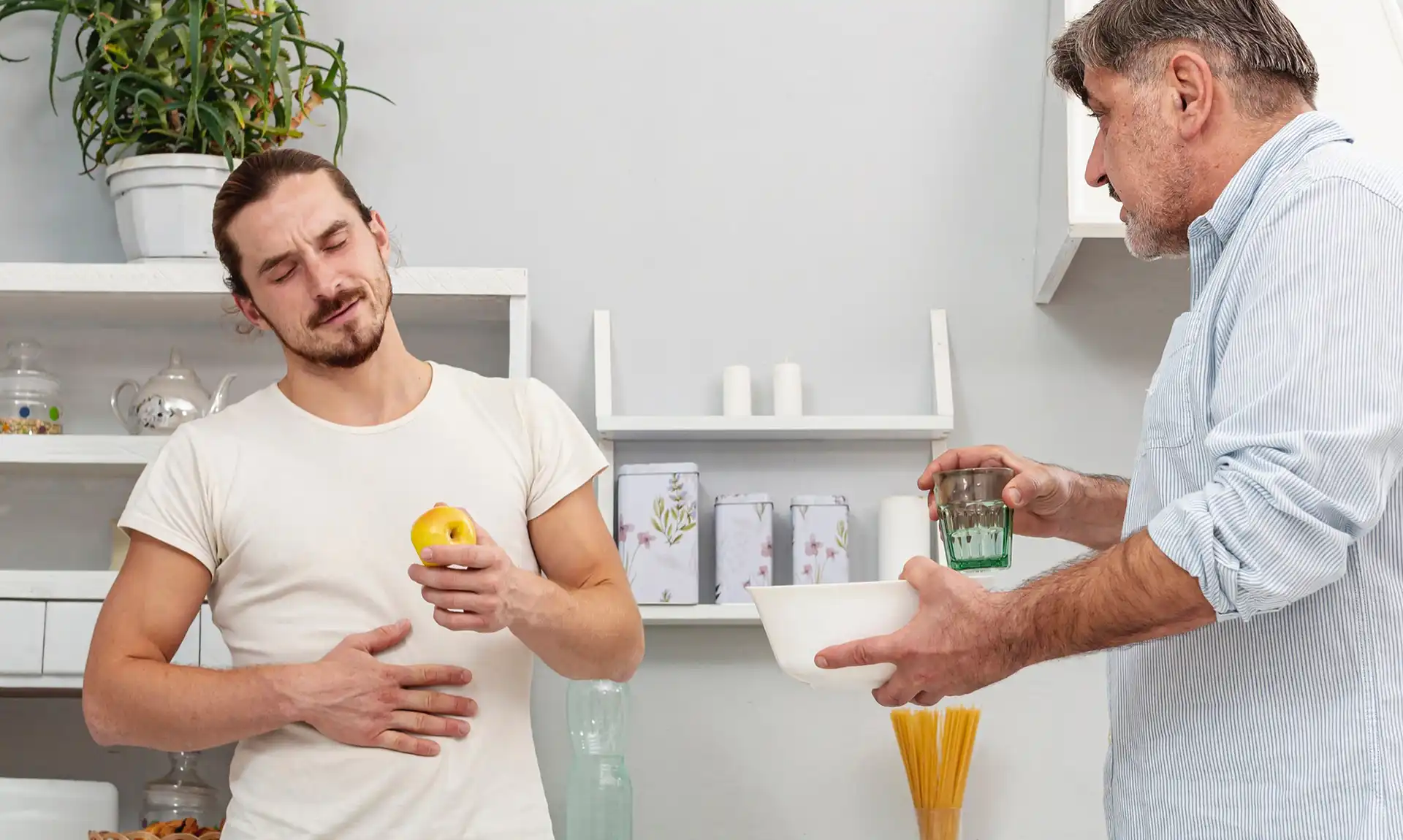
Digestive Normalization After Alcohol
Digestive Normalization After Alcohol
Digestive Normalization After Alcohol: The Path to Recovery
Alcohol consumption – even in moderate amounts – places a noticeable strain on the digestive system. The stomach, intestines, liver, and pancreas absorb most of the impact, and restoring their normal function takes more than a single day. Here’s a closer look at what actually happens to digestion after alcohol, and which steps genuinely help the body recover.
How Alcohol Affects the Digestive System
Stomach. Ethanol irritates the stomach lining, increases hydrochloric acid production, and weakens the protective mucus barrier. This leads to heaviness, heartburn, and nausea — and with regular consumption, an increased risk of gastritis.
Intestines and gut microbiota. Alcohol disrupts the balance of gut bacteria, suppressing beneficial strains while creating favorable conditions for opportunistic ones. This is directly linked to bloating, irregular bowel movements, and reduced overall immunity, since a substantial portion of the immune system is tied to gut health.
Liver. The liver is the primary organ responsible for breaking down alcohol. This process produces acetaldehyde — a toxic intermediate compound that damages liver cells and slows other liver functions, including bile production needed for fat digestion.
Pancreas. Alcohol can trigger pancreatic inflammation, reducing the production of digestive enzymes — which in turn impairs the breakdown and absorption of proteins, fats, and carbohydrates.
Vitamin and mineral absorption. Alcohol reduces absorption of B-vitamins (especially B1, B9, B12), along with zinc and magnesium — elements critical for energy production, nervous system function, and tissue repair.
Signs Your Digestion Needs Support
- Heaviness, bloating, or discomfort after eating
- Irregular bowel movements (diarrhea or constipation)
- Heartburn and increased sensitivity to spicy or fatty food
- General fatigue despite adequate sleep
- Reduced appetite the following day
These symptoms signal that the digestive system needs time and the right support — not a complete disregard for diet.
Practical Steps for Recovery
1. Restore fluid balance
Alcohol has a diuretic effect and promotes dehydration, which directly slows digestion. In the first 24 hours, plain water, electrolyte water, or light broths help restore fluids and minerals without overburdening the stomach.
2. Start with light, gentle foods
Favor easily digestible foods: boiled vegetables, porridge made with water, bananas, boiled rice, and low-fat broth. This reduces irritation of the stomach lining and gives the digestive system time to recover before returning to a regular diet.
3. Support gut microbiota
Fermented foods — natural yogurt, kefir, sauerkraut — help restore the balance of beneficial bacteria. For more pronounced digestive disruption, it’s worth discussing probiotic supplementation with a doctor.
4. Reintroduce fiber-rich foods gradually
Vegetables, whole grains, and legumes support normal intestinal motility, but should be introduced gradually to avoid triggering bloating in an already-irritated gut.
5. Replenish vitamins and minerals through food
Foods rich in B-vitamins (eggs, leafy greens, whole grains), along with magnesium and zinc sources (nuts, seeds, legumes), help offset the losses caused by alcohol.
6. Temporarily avoid additional irritants
Caffeine, spicy and fatty foods, carbonated drinks, and — naturally — further alcohol consumption all add strain to an already weakened digestive system. Give the body a pause before reintroducing them.
7. Don’t overlook sleep and light physical activity
Quality sleep directly supports liver recovery and overall hormonal balance, while light activity — a walk, gentle stretching — stimulates intestinal motility without overtaxing the body.
When to See a Doctor
Digestive recovery after occasional alcohol consumption typically takes anywhere from one day to a few days when simple measures are followed. However, medical attention is warranted if:
- abdominal pain is severe or persists beyond 1–2 days
- there is blood in stool or vomit
- there is noticeable yellowing of the skin or eyes
- symptoms (nausea, diarrhea, weakness) persist for more than a week
- there are signs of a regular, difficult-to-control urge to drink
These symptoms may indicate more serious conditions — ranging from gastritis and pancreatitis to liver damage — that require medical diagnosis rather than dietary adjustment alone.
The digestive system has a significant capacity for recovery, but that process requires a deliberate approach: adequate fluids, gentle nutrition, microbiota support, and time. If discomfort after alcohol becomes a recurring pattern, it’s worth not only adjusting diet but also reconsidering overall drinking frequency — and, if needed, consulting a doctor or gastroenterologist.
This article is intended for general informational purposes and does not replace professional medical advice.