Alcohol craving and relapse risk management
Alcohol craving and relapse risk management
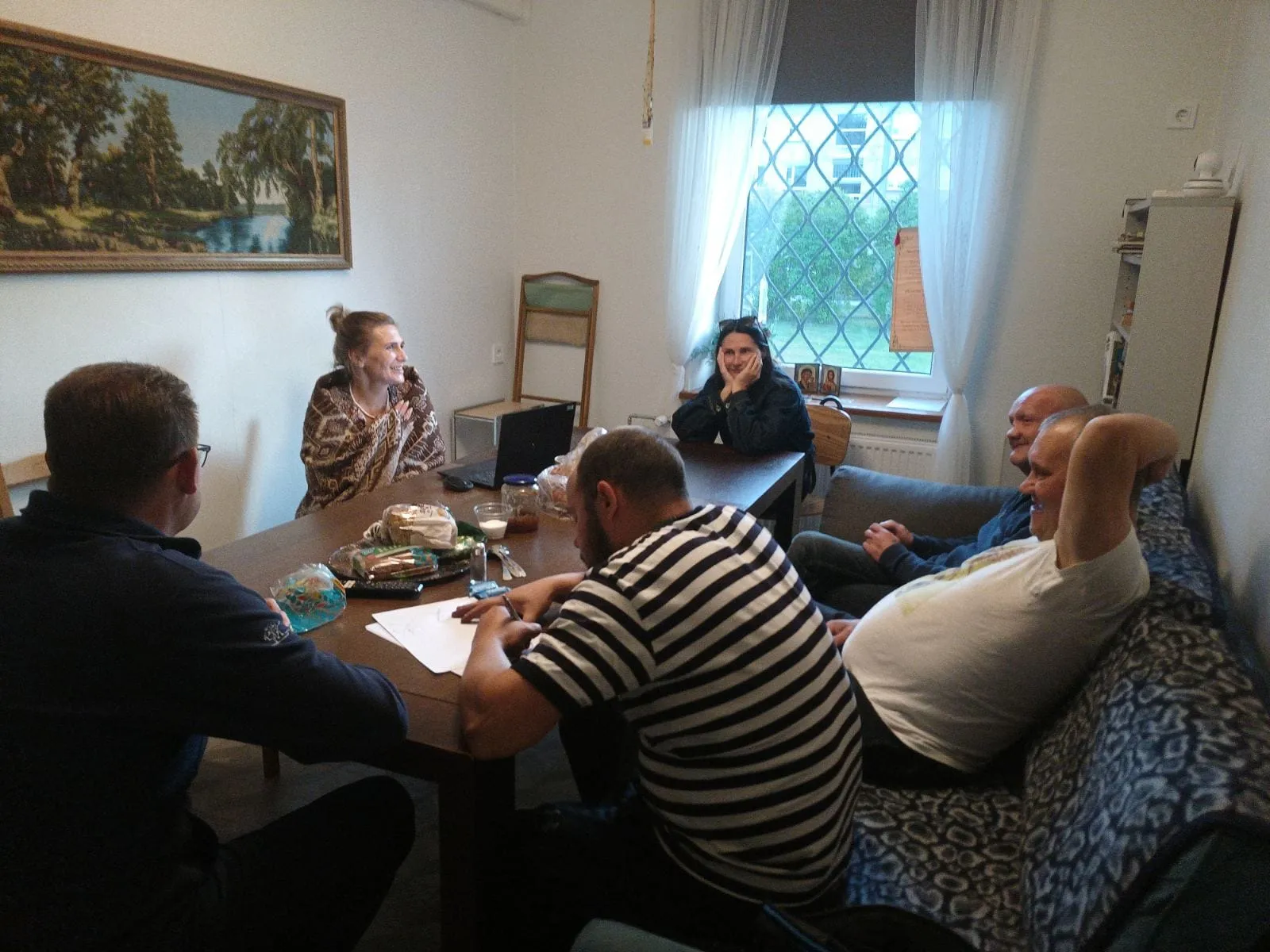
Group training sessions continue at the UUSTEE rehabilitation center for participants of the recovery program.
During the latest meeting, the main focus was on alcohol cravings and relapse‑risk management. Together with the facilitator, participants explored how cravings arise, which situations, thoughts and emotional states can intensify them, and why it is important to notice early signs before the urge to drink becomes difficult to control.
It was also discussed that relapse rarely happens suddenly. Usually, it is preceded by a specific sequence of events: tension, inner discomfort, familiar thoughts, changes in behavior and a gradual return to old reaction patterns. Recognizing this chain helps to stop in time and use alternative ways of coping.
Managing cravings and preventing relapse
During the training, participants examined practical methods for managing cravings: shifting attention, changing the environment, seeking support, monitoring emotional states and analyzing high‑risk situations.
An important part of the session was discussing individual triggers. For one person it may be conflict, for another — loneliness, stress, fatigue, certain surroundings or even a familiar time of day. Therefore, relapse prevention always requires understanding one’s own characteristics and situations that may pose a risk.
Participants were actively engaged, asked questions, shared personal experiences and discussed possible behavioral strategies in difficult situations. This format allows not only to receive information but also to immediately connect it with real life.
Active group work
Group training at UUSTEE is built on active participation. It is important not only to listen to the facilitator but also to discuss, analyze personal experience and learn to notice patterns in one’s own behavior.
During the meeting, participants shared how cravings manifest for them, which situations previously led to drinking, and what actions can be changed to reduce the likelihood of relapse.
Group work also helps participants see that many experiences and difficulties are shared by others going through recovery. Discussing common experiences helps find new solutions and develop stronger coping skills.
Training continues
Working with cravings and preventing relapse is an essential part of the recovery program. The goal is not only to stop drinking but also to gradually learn to recognize risky situations, understand personal reactions and act differently.
Group training sessions at UUSTEE will continue. In upcoming meetings, participants will explore topics related to addiction, behavior, emotional states and the skills needed to maintain sobriety.
The training is led by Maria Volkova – Head of the ENTHELOS Medical Clinic (https://entel.ee/) and a specialist with extensive experience in crisis intervention, social, and psychological support.