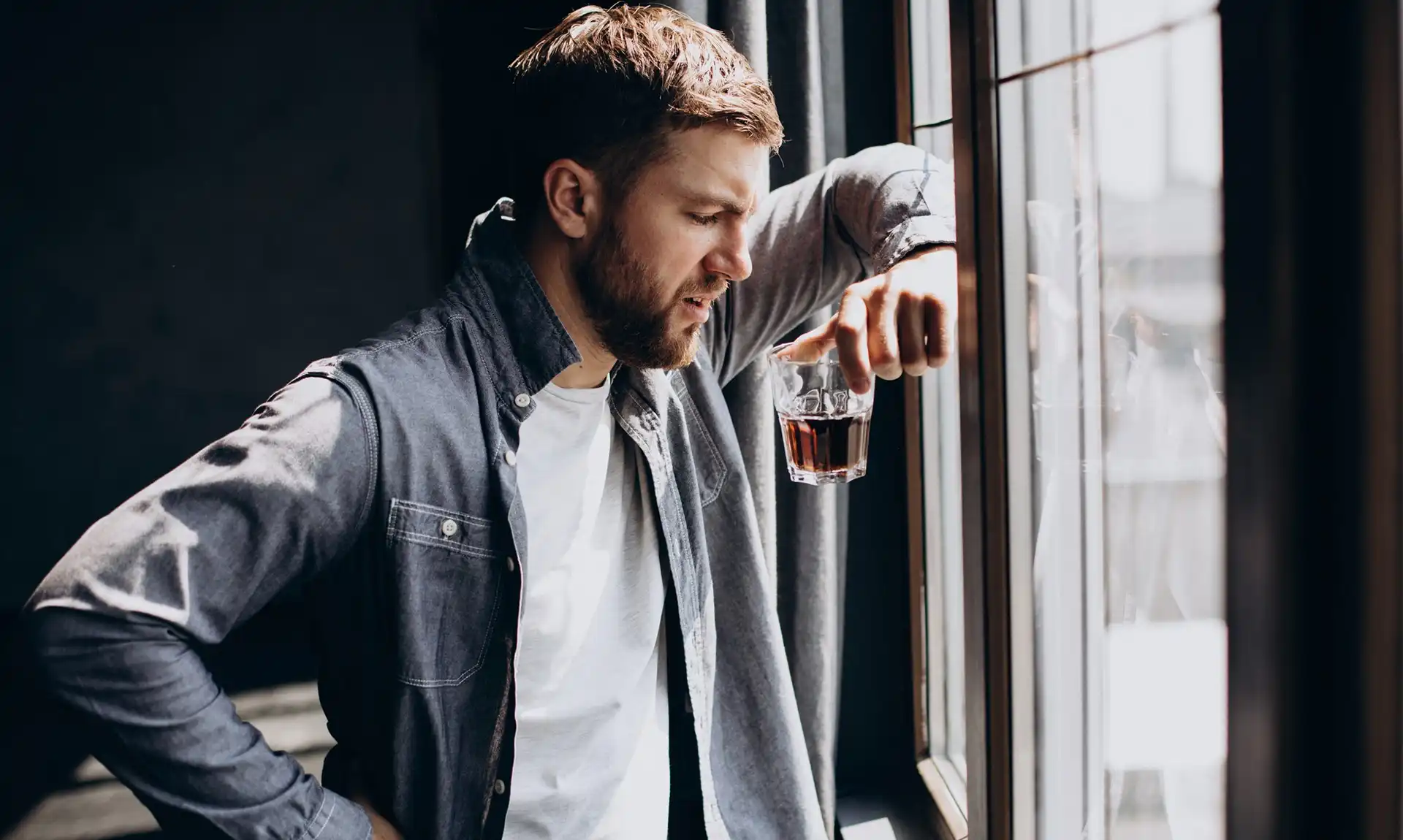
To Drink or Not to Drink?
To Drink or Not to Drink?
To drink or not to drink alcohol? The answer is simple: don’t drink!
Alcohol is not harmless relaxation — it is a slow destruction of health, character, and future. It steals clarity, energy, and self‑control, turning dependency into a norm. Every drink damages memory, productivity, the liver, and mental stability. Real strength lies in sobriety. Choosing not to drink means choosing health, freedom, and self‑respect. Alcohol offers nothing of real value; giving it up opens the door to a life without pain, addiction, or limits.
To Drink or Not to Drink? An Honest Conversation About Alcohol
The question “to drink or not to drink” has followed humanity for as long as alcohol has existed. In nearly every culture, alcohol is tied to celebration, friendship, tradition, and even grief. At the same time, it is a substance responsible for more health damage, accidents, and family strain than almost any other legal product. The goal of this article is not to blame or moralize, but to offer an honest, fact-based picture so that everyone can make an informed choice.
What the science says today
For decades, it was widely believed that moderate drinking — say, a glass of wine a day — might even be good for the heart. Research in recent years has significantly changed that picture. The World Health Organization has stated plainly that no amount of alcohol consumption is completely safe. Alcohol is classified as a Group 1 carcinogen, the same category as asbestos and tobacco smoke. Even light, “moderate” drinking raises the risk of several cancers, including breast cancer, as well as liver disease and cardiovascular problems.
That doesn’t mean one glass of wine at a wedding will ruin anyone’s life. It means the decision to drink should be made with awareness, not on the assumption that “a little never hurt anyone.”
Why people drink
Alcohol is rarely consumed purely for its taste. More often, the reason is stress relief, social pressure, loneliness, habit, or a desire to unwind after a hard day. The problem begins when alcohol becomes the main — or only — way of coping with difficult feelings. The more often alcohol is used to numb emotions, the greater the risk that a routine “evening glass” grows into a dependency that becomes hard to break later on.
When drinking becomes a problem
- Some signs that alcohol use has moved beyond control:
- Needing to drink more and more to get the same effect.
- Failed attempts to cut down or stop.
- Time and energy spent drinking or recovering from it start interfering with work, studies, or family relationships.
- Guilt, or a need to hide drinking from loved ones.
- Physical withdrawal symptoms when not drinking.
If any of these signs sound familiar — for yourself or someone close to you — it is worth talking to a professional rather than carrying the problem alone.
Moderation, occasional drinking, or complete abstinence?
There is no single “right” answer. For some people, mindful and occasional drinking works fine; for others, complete abstinence is the only realistic path — especially if there is a family history of addiction, or if someone has already experienced loss of control. What matters most is honest self-reflection: is alcohol a choice in my life, or a need?
Alcohol isn’t a matter of morality, of “good” versus “bad” — it’s a matter of health and quality of life. An informed choice starts with knowledge: what alcohol actually does to the body and mind, and what personal risk factors are at play. If you feel that alcohol has started running your life rather than the other way around, you don’t have to face that alone — help and support are available.
Alcoholism
Alcoholism is a chronic, progressive disease characterized by an uncontrollable craving for alcohol, loss of control over the amount consumed, withdrawal symptoms, and the formation of strong physical and psychological dependence.
This problem has long transcended the scope of a purely personal matter. Alcohol addiction destroys every area of life: health, mental well-being, social connections, careers, and the future of families. Below is a detailed look at the main consequences of alcoholism.
1. Destruction of Physical Health
Regular and excessive alcohol consumption deals a devastating blow to the entire body. The toxic effects of ethanol affect virtually every organ system:
- Cardiovascular System: Alcoholic cardiomyopathy develops, blood pressure rises, and the risk of myocardial infarction, stroke, and severe arrhythmias increases sharply.
- Digestive Tract: The liver takes the main hit. Alcohol leads to alcoholic hepatitis, fibrosis, and liver cirrhosis—a life-threatening condition. The pancreas (pancreatitis) and stomach (gastritis, ulcers) also suffer.
- Nervous System: Neural pathways are destroyed, leading to encephalopathy, memory impairment, cognitive decline, and personality degradation. Peripheral neuropathies (pain and numbness in the limbs) may occur.
- Oncology: Alcohol is recognized as a Group 1 carcinogen, significantly increasing the risk of oral cavity, pharynx, esophagus, stomach, liver, and breast cancers.
- Reproductive System: Alcoholism leads to infertility and impotence.
2. Mental Disorders and Personality Degradation
Alcohol directly affects the central nervous system, causing profound psychological alterations:
- Depression and Anxiety: Alcohol is a depressant. While it may initially induce relaxation, in the long term it exacerbates depression and triggers suicidal ideation.
- Alcoholic Psychoses: Includes the infamous delirium tremens (“the shakes”), hallucinosis, and alcohol paranoia. The individual loses touch with reality and becomes a danger to themselves and others.
- Emotional Flattening: The patient’s interests narrow down exclusively to finding the next dose. Moral compasses, empathy, and responsibility toward loved ones disappear.
3. Social and Familial Consequences
Alcoholism rarely goes unnoticed in a social environment, inevitably leading to isolation and the breakdown of relationships:
- Family Crises: Domestic violence, frequent scandals, divorces, and the psychological trauma inflicted on children growing up in a dysfunctional environment.
- Loss of Social Stability: Loss of employment, professional skills, mounting financial debt, and in extreme cases, marginalization (homelessness).
- Crime: A vast percentage of violent crimes (fights, robberies, homicides) and negligence-related crimes (such as driving under the influence) are committed under the influence of alcohol.
Alcoholism is not merely a bad habit; it is a severe disease that requires professional medical and psychological intervention. The consequences of alcoholism inevitably lead to degradation and premature death if this destructive process is not stopped in time. Seeking timely help from narcologists and psychotherapists offers a genuine chance to return to a fulfilling, sober life.
Alcohol makes it harder for the brain areas controlling balance, memory, speech, and judgment to do their jobs, resulting in a higher likelihood of injuries and other negative outcomes. Long-term heavy drinking causes alterations in the neurons, such as reductions in their size. Below are a few key topics related to alcohol and the brain. Alcohol and the Brain: An Overview