How We Cooked Pilaf
How We Cooked Pilaf
How We Cooked Pilaf at the UUSTEE Recovery and Rehabilitation Center
Cooking as a Therapeutic Practice
At UUSTEE, cooking is more than preparing food. It is a structured therapeutic activity that helps people regain confidence, learn teamwork, and experience the joy of creating something meaningful.
Preparing the Ingredients — Building Focus and Cooperation
Participants divided the tasks:
- peeling carrots,
- chopping onions,
- preparing the meat,
- washing the rice.
This stage encourages calm concentration and teaches planning.
Frying and the Warm Aroma of Home
As the meat and vegetables began to fry, the kitchen filled with a warm, comforting aroma. People shared memories, family recipes, and personal stories — an important part of social reintegration.
Adding the Rice — Trusting the Process
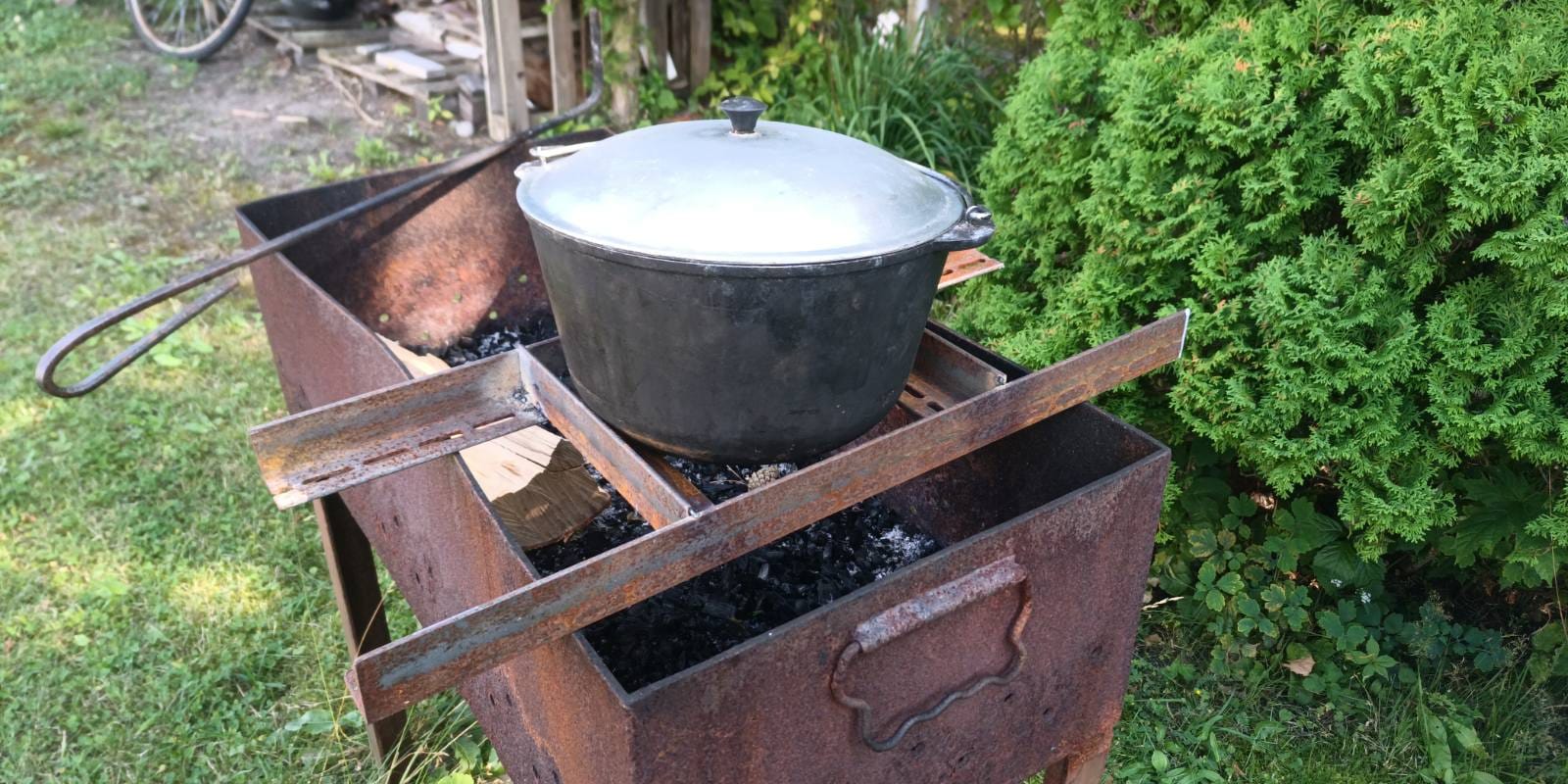
The rice was washed several times to make the pilaf fluffy. It was carefully placed on top of the zervak, water and spices were added, and the pot was left to cook. Waiting teaches patience and trust.
Shared Meal — The Emotional Finale
When the pilaf was ready, everyone gathered at the table. The shared meal symbolized unity and showed that every contribution matters. Participants said they felt proud and connected.
Why Cooking Matters in Rehabilitation
Cooking sessions help people:
- develop daily living skills,
- strengthen self‑esteem,
- improve communication,
- reduce anxiety,
- build positive experiences.
Pilaf became more than food — it became a step toward recovery.